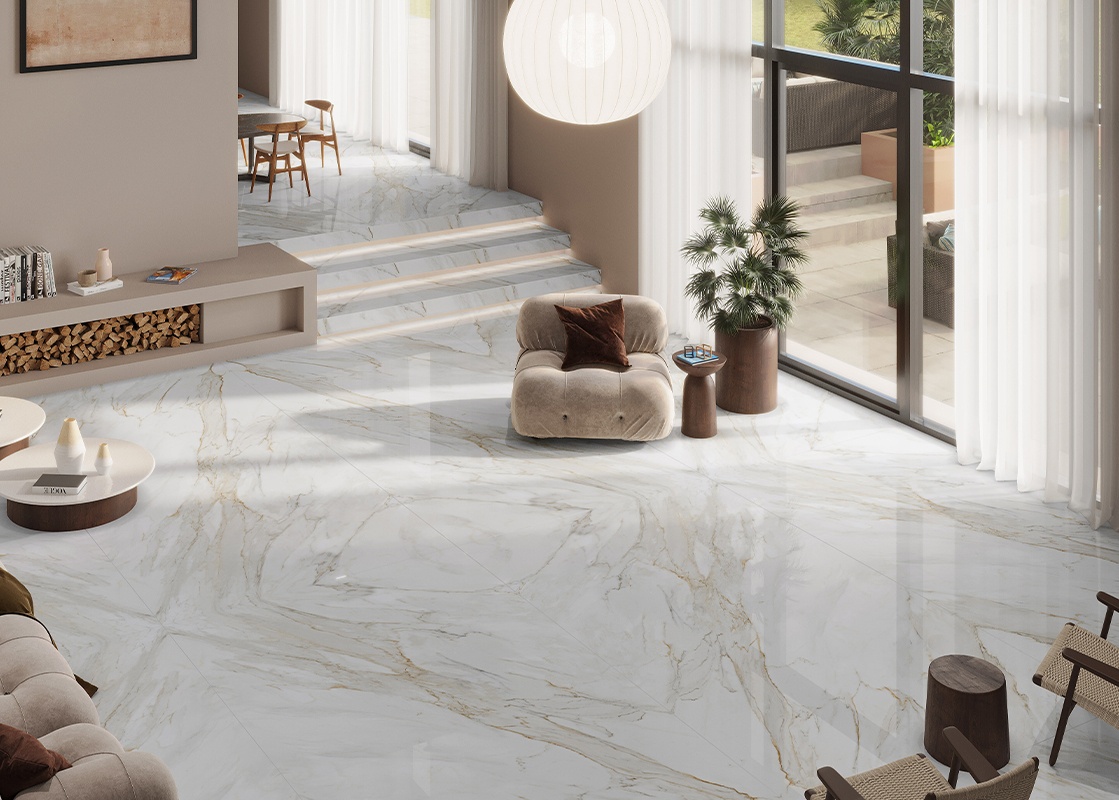
Ceramic vs Vitrified vs Porcelain Tiles: Which One Is Right for Your Project?
Tiles play an essential role in defining the style, durability, and functionality of modern spaces. With multiple options available in the market, choosing between ceramic, vitrified, and porcelain tiles can sometimes be confusing. Each type of tile has its own advantages and applications, making it suitable for different environments and design requirements.
Understanding the key differences between these tile types can help homeowners, architects, and project developers select the most appropriate solution for their spaces.
Ceramic Tiles
Ceramic tiles are one of the most widely used options for interior wall applications. Manufactured from natural clay materials and fired at high temperatures, ceramic tiles provide a smooth surface and consistent finish.
Key Benefits
• Lightweight and easy to install
• Wide variety of designs and patterns
• Suitable for wall applications
• Cost-effective solution for residential spaces
Best Applications
Ceramic tiles are commonly used for bathroom walls, kitchen walls, backsplashes, and decorative interior walls.
Vitrified Tiles
Vitrified tiles are manufactured through a process that combines clay with silica and quartz, creating a dense and durable tile body. These tiles are known for their strength and resistance to moisture.
Key Benefits
• Strong and durable surface
• Low water absorption
• Suitable for flooring applications
• Ideal for residential and commercial spaces
Best Applications
Vitrified tiles are widely used for living room floors, office spaces, retail outlets, and corridors where durability is important.
Porcelain Tiles
Porcelain tiles are a premium category of vitrified tiles produced with refined raw materials and higher firing temperatures. They offer superior density, durability, and extremely low water absorption.
Key Benefits
• Very high strength and durability
• Low water absorption (<0.5%)
• Resistant to stains and scratches
• Suitable for indoor and outdoor applications
Best Applications
Porcelain tiles are commonly used in luxury homes, hotels, shopping malls, airports, and commercial environments where both performance and design are important.
Choosing the Right Tile
When selecting tiles for your project, consider the following factors:
Location of installation – Wall or floor applications require different tile properties.
Durability requirements – High-traffic areas require stronger tiles like vitrified or porcelain.
Design preference – Tiles are available in marble, stone, wood, and contemporary patterns.
Budget and project scale – Large projects often require tiles that balance durability and cost.
Final Thoughts
Ceramic, vitrified, and porcelain tiles each offer unique advantages depending on the space and usage requirements. By understanding their differences, you can select tiles that provide the right combination of design appeal, durability, and long-term performance.
High-quality tiles manufactured for export ensure consistent production quality, reliable packaging, and dependable supply for global markets.
Leave a Comment
Be respectful & stay on topicTesting